2026-10-15 ·
How to Check for Hidden Water Damage After Winter Storms in Rancho Palos Verdes
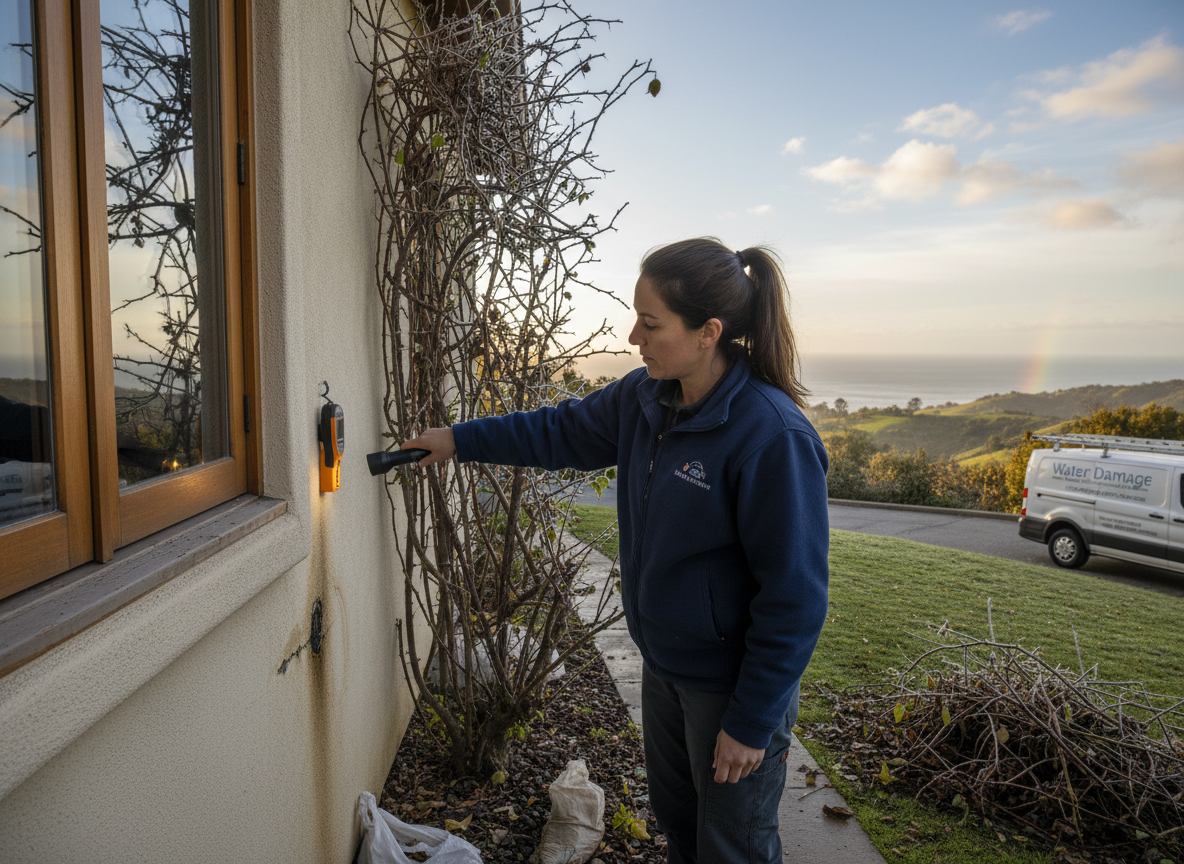
After winter storms pass through Rancho Palos Verdes, start by examining attics and roof lines for discoloration or soft spots in insulation, as Pacific Ocean breezes often drive rain under tiles in older homes near Portuguese Bend and the Rolling Hills Estates border.
Inspecting Attics and Roof Structures
Homes in Seaview and around Terranea Resort frequently feature older roof systems exposed to the mild Mediterranean climate, where even light winter rains can seep through aging underlayment. Walk the attic space during daylight and look for dark stains on rafters or compressed insulation that feels damp to the touch. Check near chimneys and skylights first, since these penetrations allow water to travel along ceiling joists into living areas below. In neighborhoods bordering San Pedro, hillside homes may also show signs of water tracking from upslope drainage issues after storms. Document any findings with photos before moisture spreads further into drywall or electrical boxes. If insulation shows widespread saturation, removal prevents mold growth that thrives in the area's consistent humidity levels moderated by ocean air.
Checking Interior Walls and Ceilings
Focus next on interior surfaces in rooms facing prevailing winds, such as those in homes near Abalone Cove Shoreline Park or Los Verdes Golf Course. Press firmly along baseboards and around windows for soft drywall or bubbling paint, which indicates water has wicked upward from roof or window leaks. Use a bright flashlight to scan ceilings for hairline cracks or yellow-brown rings that appear days after storms subside. In Portuguese Bend properties built on slopes, water can pool behind stucco exteriors and migrate inward through small gaps. Measure affected areas in square feet to track progression, noting that even small 2-foot sections can signal larger hidden issues behind cabinets or in closets. These checks help identify problems before they reach flooring or subfloors common in mid-century Rancho Palos Verdes construction.
Examining Crawl Spaces and Foundations
Crawl spaces beneath homes in Palos Verdes Estates and Rolling Hills often collect water from winter runoff due to the region's clay-heavy soils and gentle ocean breezes that keep surfaces damp longer. Shine a light along sill plates and joists for white efflorescence or dark mold patches that form after repeated moisture exposure. Probe soil with a screwdriver near foundation vents to test for softness, especially in lower-lying areas close to San Pedro. Ventilation gaps in these spaces can allow storm-driven moisture to circulate upward into subfloors, creating musty odors detectable from above. Record humidity levels if a meter is available, as readings above 60 percent signal ongoing issues that affect nearby neighborhoods like Terranea.
When Professional Assessment Helps
Persistent signs such as recurring musty smells or warped hardwood floors warrant evaluation through water damage mitigation services familiar with Los Angeles County coastal properties. Local crews understand how Pacific breezes interact with hillside drainage in Seaview and Portuguese Bend to create hidden pathways. Review related guidance in What Affects the Cost of Water Damage Restoration in Rancho Palos Verdes to prepare for next steps. For ocean-adjacent homes, Mold Prevention Tips for Homes Near the Ocean in Rancho Palos Verdes offers additional seasonal context. Contact the team at 31204 Palos Verdes Dr W for 24/7 response when inspections reveal active leaks.